
By Keesha Ewers, PhD, ARNP, IFMCP
One of the most asked questions I get from my patients is, “Why am I gaining weight even though I eat healthy?”
If your weight gain feels unexplained, it might not be “just aging” or “just your diet.” There are always root causes to address. For some of my clients, weight gain traces back to a fatty liver and the role it plays in detoxification, hormones, and autoimmunity.
I work with my clients to understand what’s really going on with their bodies. You can learn more about the factors—like fatty liver—that may be impacting your weight specifically, as well as how detoxification can help, below.
What Is Detoxification and Why Does the Body Need It?
Detoxification, Fatty Liver, Hormones, and Autoimmunity: The Hidden Root of Chronic Illness
Detoxification is the body’s natural process of neutralizing and eliminating toxins through the liver, kidneys, gut, skin, and lungs.
Your body detoxifies continuously. The problem is not toxicity itself, but when detox systems—especially the liver—become overloaded or inefficient.
When detox pathways slow down, toxins, hormones, and metabolic waste remain in circulation longer than they should. Over time, this contributes to symptoms such as:
- Unexplained weight gain
- Chronic fatigue
- Brain fog
- Hormone imbalance
- Low libido
- Insulin resistance
- Autoimmune symptoms
Among detox organs, the liver plays the most central role.
How Fatty Liver Disrupts Hormones, Metabolism, and Energy
Non-alcoholic fatty liver disease (NAFLD) has become one of the most common metabolic conditions worldwide, yet many people have it without knowing.
The liver regulates many critical systems, including:
Hormone Metabolism
The liver breaks down and clears hormones such as:
- Estrogen
- Progesterone
- Cortisol
- Thyroid hormones
If detox slows, these hormones can recirculate instead of being eliminated.
Blood Sugar Regulation
The liver controls glucose storage and release. When fatty accumulation develops, insulin resistance increases, making weight loss more difficult.
Fat Metabolism
Fatty liver interferes with normal lipid metabolism, contributing to abdominal weight gain and metabolic dysfunction.
Toxin Clearance
Environmental toxins, medications, and metabolic waste are processed through liver detox enzymes. When this system becomes overwhelmed, inflammation and immune activation increase.
Why Fatty Liver Often Leads to Hormone Imbalance
When detox pathways slow, hormone clearance is disrupted.
This can lead to several downstream effects:
Estrogen Recirculation
Estrogen that should be eliminated through bile and stool can be reabsorbed into circulation, contributing to symptoms of estrogen dominance, including:
- PMS
- Fibroids
- Weight gain
- Breast tenderness
- Mood changes
Elevated Cortisol
When stress hormones remain high, the body shifts toward:
- Abdominal fat storage
- Fatigue
- Sleep disruption
- Metabolic slowdown
Thyroid Hormone Disruption
The liver helps convert thyroid hormone into its active form. When liver function slows, metabolism may decrease.
These combined effects explain why fatty liver frequently appears alongside hormone imbalance and stubborn weight gain.
How Detoxification Affects Autoimmune Disease
Autoimmune conditions rarely develop from a single cause.
Functional medicine research shows that autoimmune disease often emerges from a combination of:
- Chronic toxin exposure
- Gut permeability
- Hormonal disruption
- Immune dysregulation
- Impaired detoxification
When fatty liver slows detox pathways, inflammatory compounds circulate longer in the body. This prolonged exposure can contribute to chronic immune activation, increasing the risk of autoimmune responses.
Detoxification does not suppress the immune system. Instead, it reduces the toxic burden that keeps the immune system overstimulated.
A deeper explanation of this connection can be found here:
Learn more about detoxing and autoimmune disease
Detox Is a Process — Not a Cleanse
Many detox programs fail because they focus only on mobilizing toxins, not eliminating them.
Effective detoxification occurs in three phases:
Phase 1: Mobilization
Stored toxins are released from tissues.
Phase 2: Liver Processing
Liver enzymes transform toxins into forms that can be eliminated.
Phase 3: Elimination
Toxins leave the body through:
- Bile and stool
- Urine
- Sweat
If toxins are mobilized faster than the liver can process them, symptoms may worsen. Common detox reactions include:
- Headaches
- Fatigue
- Anxiety
- Brain fog
- Inflammation
This is why aggressive cleanses often backfire. A safer strategy is gradual, strategic liver support. This is part of what you’ll learn in Demystifying Detox, a DIY course all about detoxing.

Nutrition Supports Detoxification
Detoxification is not about deprivation or extreme dieting.
In fact, under-eating can slow metabolism and impair liver function.
The liver requires nutrients to support detox enzyme pathways, bile production, and mitochondrial energy production.
Certain foods support detoxification by:
- Improving bile flow
- Stabilizing blood sugar
- Reducing inflammation
- Supporting antioxidant pathways
Other foods worsen fatty liver and insulin resistance.
Practical liver-supportive recipes are available here:
Liver-supportive detox recipes
How Stress Affects Detox Capacity
Chronic stress is one of the most powerful inhibitors of detoxification.
When cortisol remains elevated:
- Liver detox enzymes slow
- Blood sugar regulation worsens
- Inflammation increases
- Sleep quality declines
Nervous system regulation can significantly improve detox capacity by lowering stress hormones and improving metabolic recovery.
Practices such as grounding, sleep optimization, and stress reduction help restore detox pathways.
More on this topic here: Grounding for health and energy
Why Detox Must Be Personalized
Not everyone tolerates detoxification the same way.
Some individuals can increase detox activity easily, while others experience significant symptoms unless detox is carefully paced.
Factors that influence detox tolerance include:
- Genetics
- Metabolic health
- Toxin load
- Stress levels
- Gut health
- Hormonal balance
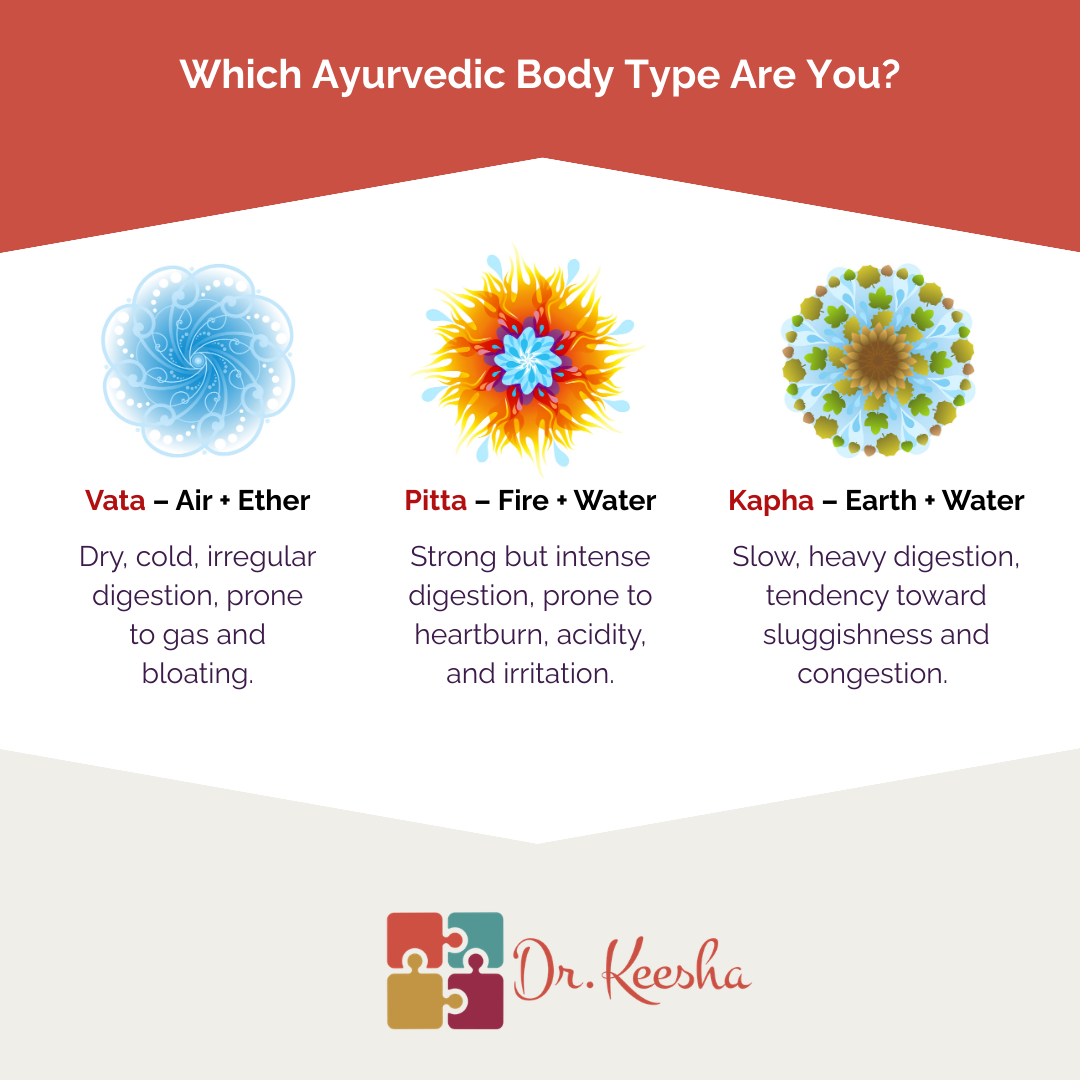
Traditional systems such as Ayurveda recognized these differences thousands of years ago through constitutional types (doshas).
Modern functional medicine confirms the same principle: detox must match the individual.
How to Identify Your Detox Pattern
If you are experiencing:
- Stubborn weight gain
- Hormone imbalance
- Fatigue
- Autoimmune symptoms
- Brain fog
- Insulin resistance
Your detox pathways and liver function may be under stress.
Instead of guessing, identifying your metabolic and detox pattern can help guide a more effective strategy.
Take the Dosha + Detox Quiz to understand your detox profile and liver stress pattern.
FAQ: Detoxification, Fatty Liver, and Chronic Illness
What are symptoms of fatty liver disease?
Common symptoms include fatigue, abdominal weight gain, brain fog, insulin resistance, and elevated liver enzymes, although many people have no obvious symptoms.
Can fatty liver cause hormone imbalance?
Yes. The liver metabolizes hormones such as estrogen, cortisol, and thyroid hormones. When detox slows, hormone clearance is disrupted.
Does detox help autoimmune disease?
Detoxification can reduce toxic burden and inflammatory triggers that contribute to immune dysregulation.
Are detox cleanses safe?
Aggressive detox cleanses can overwhelm detox pathways. Gradual, strategic liver support is generally safer and more effective.
How long does detoxification take?
Detoxification is an ongoing biological process. Supporting detox pathways typically requires sustained lifestyle and nutritional changes rather than short-term cleanses.